
Tips for ergonomic kitchen design
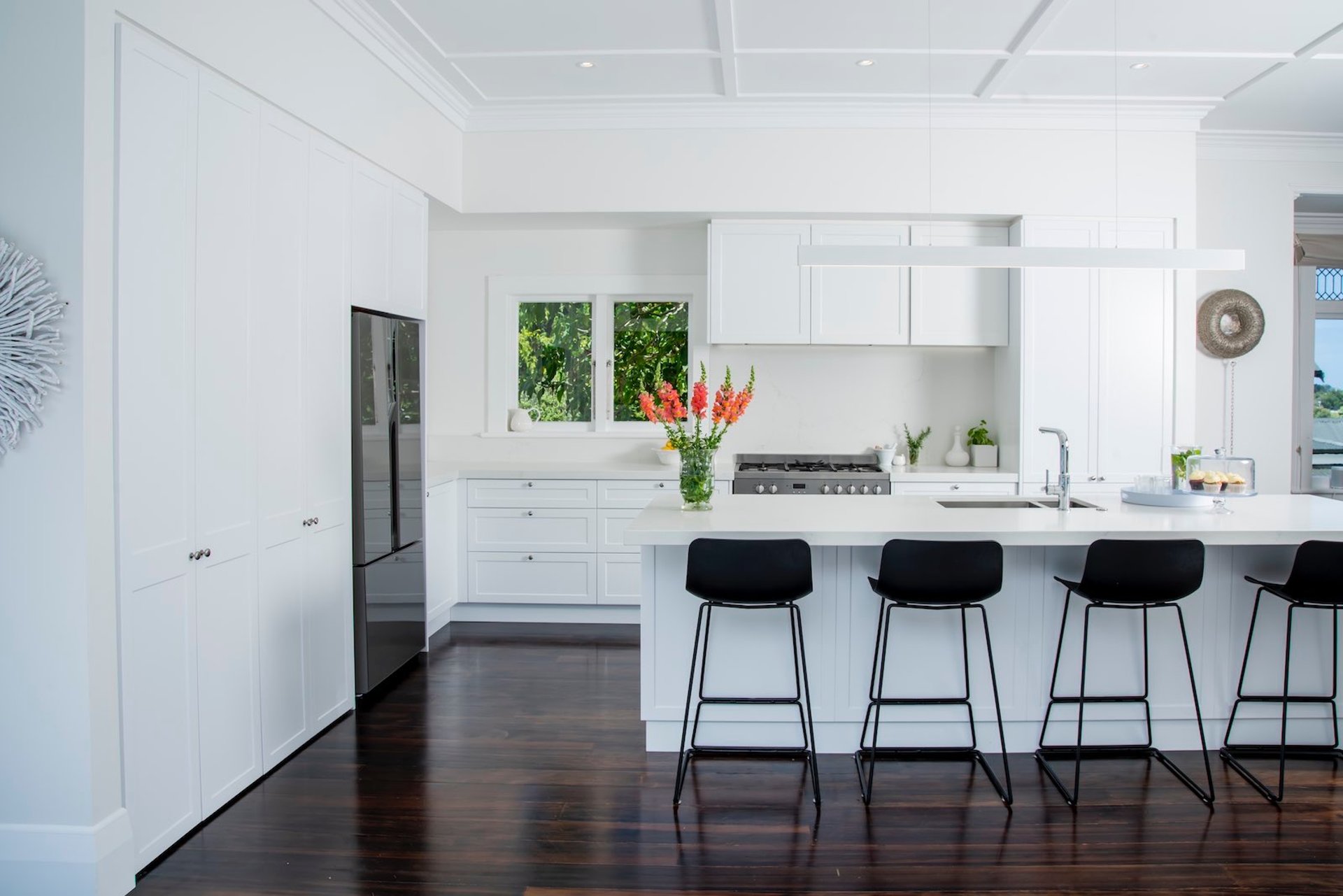
How to maximise comfort and function with ergonomic kitchen design
When planning a kitchen renovation, beautiful finishes and modern appliances matter, as well as the way your kitchen functions.
Ergonomic kitchen design focuses on creating a space that is comfortable, efficient and easy to use. Considering how much time most households spend cooking, preparing meals and gathering in the kitchen, thoughtful design can make a huge difference to everyday life.
From layout and lighting to storage and bench height, a well designed kitchen reduces strain, improves workflow and helps everything run more smoothly. By tailoring the space to suit your needs, you will end up with a kitchen that is not only beautiful but also a practical and enjoyable place to spend time.
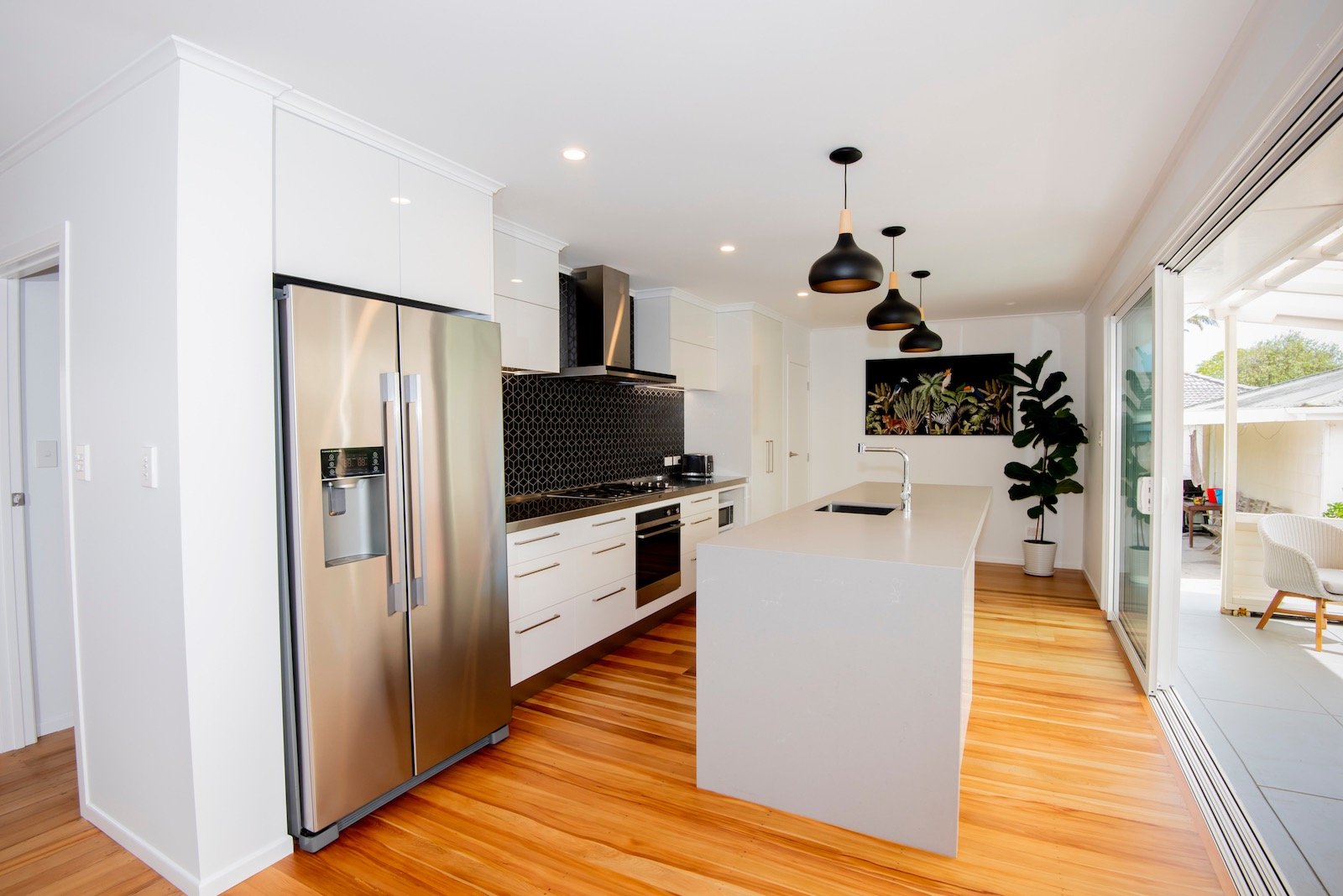
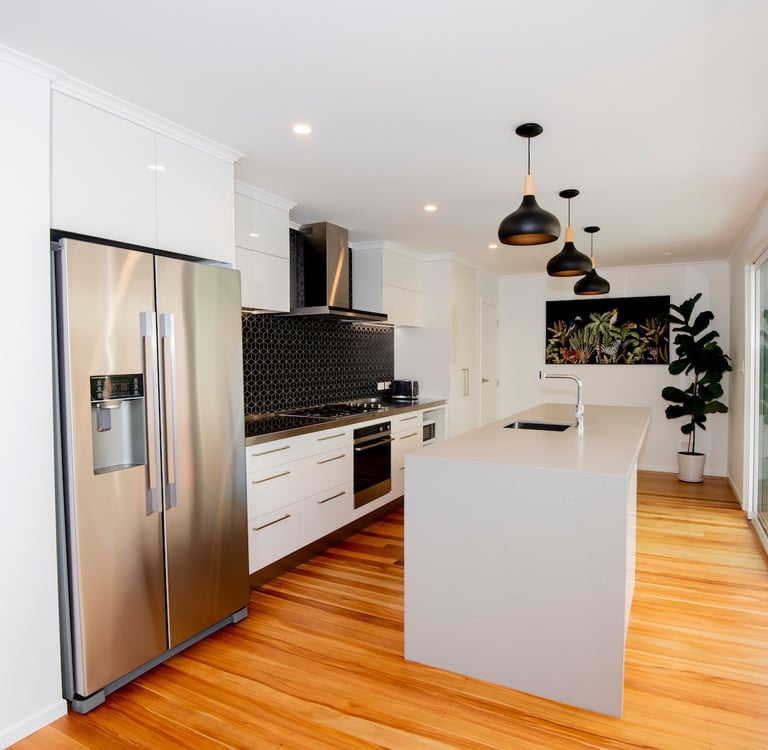
What is ergonomic kitchen design and why does it matter?
Ergonomic kitchen design is about arranging your kitchen so that everyday tasks feel natural, comfortable and efficient. It considers how people move around the space, how easily items can be reached and how much bending, stretching or lifting is required. Good ergonomic design helps:
Create a kitchen that feels easy to work in
Improve safety while cooking
Make meal preparation more efficient
Keep everyday items within easy reach
Reduce strain on your back, shoulders and knees
For many Auckland homeowners planning a renovation, improving kitchen ergonomics can dramatically enhance how the space functions. Older kitchens were often designed with limited storage and inefficient layouts, while modern kitchens are designed to support busy family life and open plan living.
What is the best kitchen layout for efficient workflow?
One of the most important elements of ergonomic kitchen design is the layout. Traditionally, kitchens were designed around the work triangle, which positions the cooktop, fridge and sink at three points of a triangle to minimise unnecessary movement.
While this concept still works well, modern kitchens often include more appliances such as microwaves, dishwashers and coffee machines. Because of this, many designers now organise kitchens into task based zones, including:
Prep zone for chopping and preparing ingredients
Cooking zone around the cooktop and oven
Cleaning zone around the sink and dishwasher
Storage zone for pantry items and appliances
This approach helps streamline everyday tasks and makes the kitchen easier to use, particularly in open plan homes where the kitchen often connects with dining and living spaces.
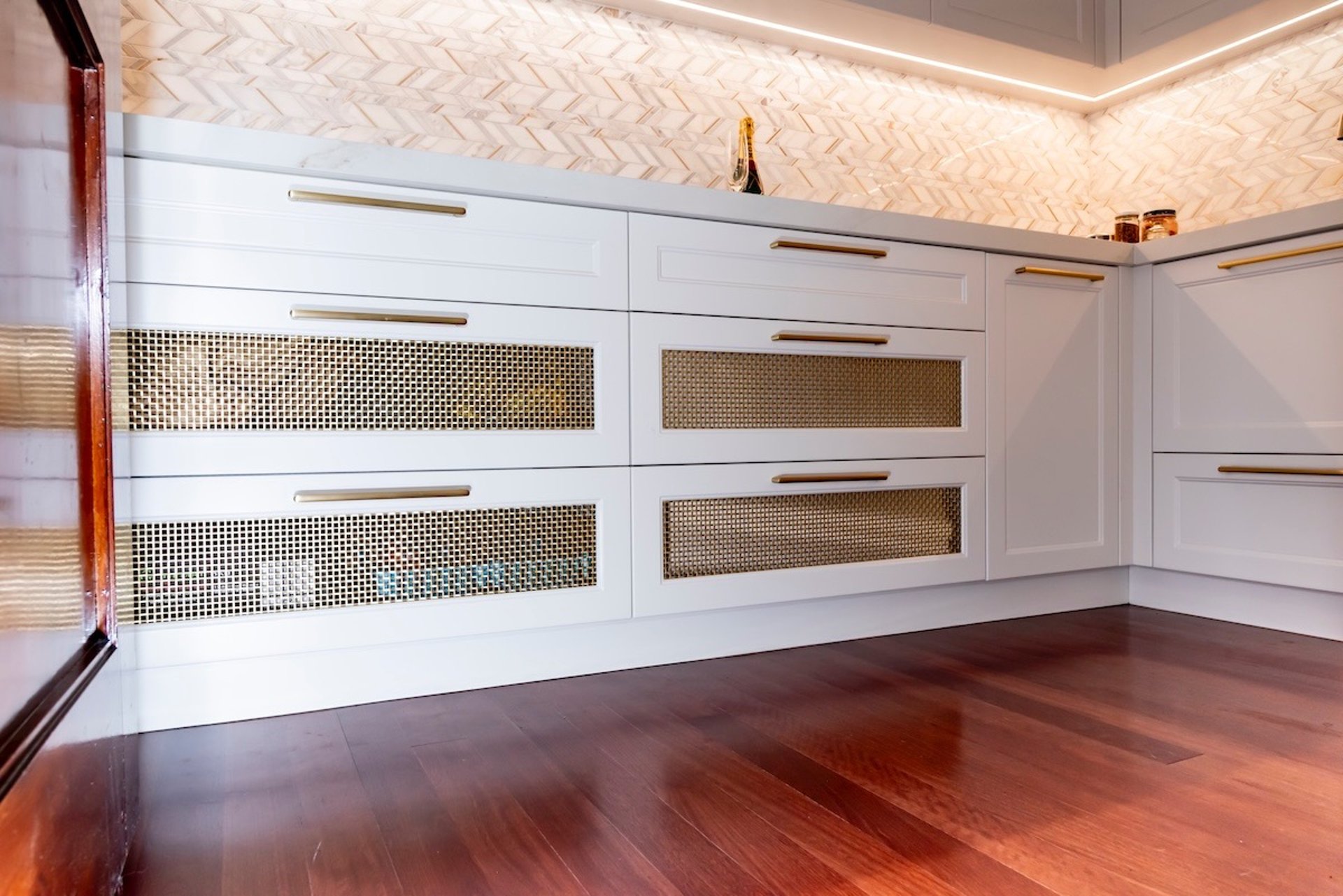
What is the ideal kitchen bench height?
Standard kitchen benches are typically around 900mm high, which works well for many people but may not be ideal for everyone. For taller people, this height can lead to back strain when preparing food.
Customising your bench height can make a noticeable difference to comfort. Many people now choose benches around 920mm to 950mm, depending on their height. Some kitchens even incorporate multiple bench heights to suit different tasks. For example:
A slightly lower surface for baking and rolling dough
A higher prep area for chopping and food preparation
A raised island bench for casual dining or entertaining
Customising bench heights is a simple way to make a kitchen renovation feel truly tailored to your household.
How does lighting improve kitchen ergonomics?
Lighting is often overlooked during kitchen design, yet it plays an essential role in creating a comfortable and functional workspace. A well designed kitchen usually combines three types of lighting:
Ambient lighting is the main source of light for the room, usually provided by ceiling fixtures or recessed lighting. Good ambient lighting ensures the entire space is evenly illuminated.
Task lighting focuses directly on work areas such as benches, sinks and cooktops. Under-cabinet lights and pendant lights over islands help eliminate shadows and make food preparation safer.
Accent lighting highlights design features such as splashbacks, shelving or cabinetry and adds warmth and atmosphere to the space.
The right mix of lighting creates a kitchen that feels bright, welcoming and easy to work in.
Are kitchen drawers better than cupboards?
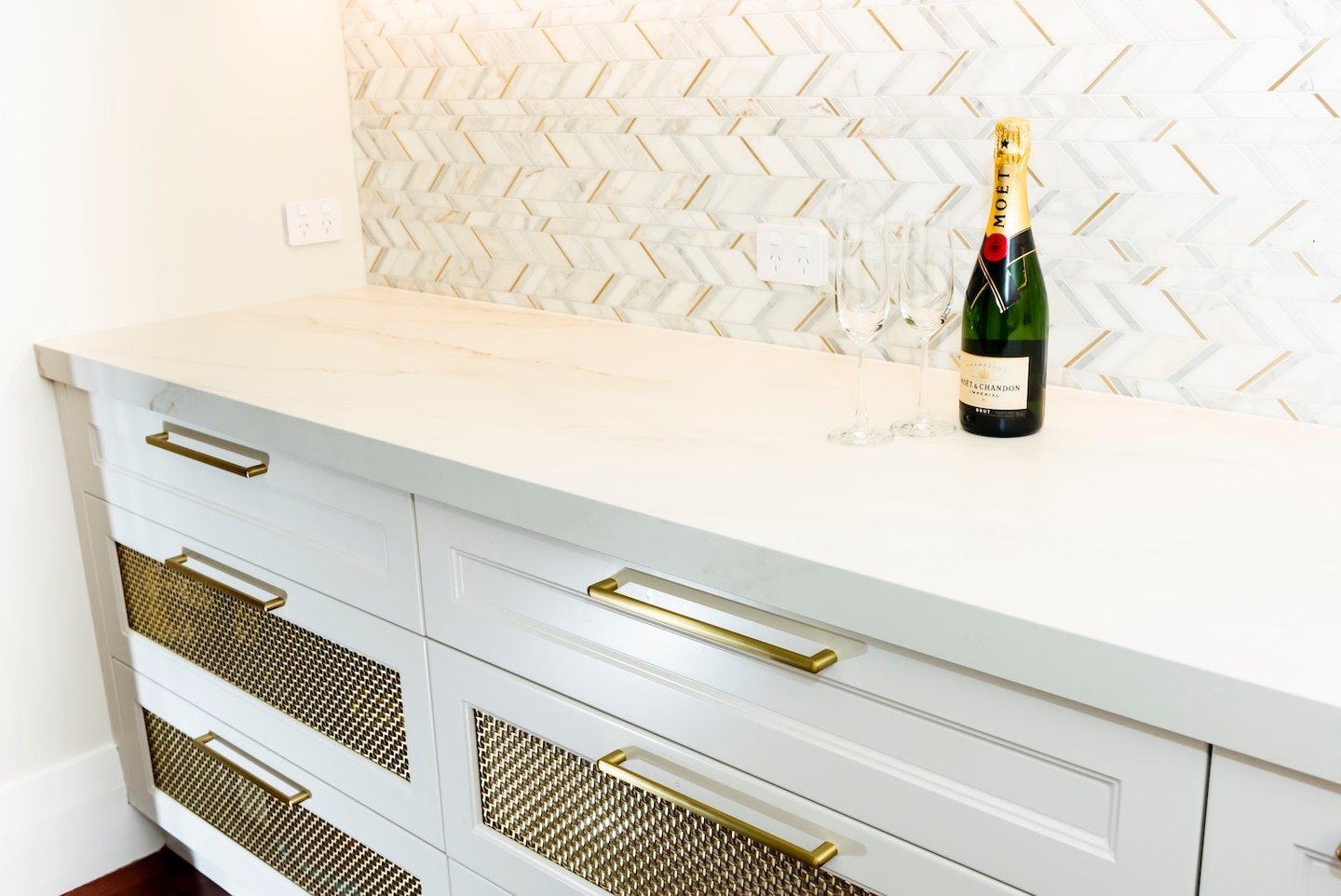
Many modern kitchens are replacing traditional cupboards with drawers, and for good reason. Drawers make it much easier to see and access everything you store. Instead of reaching into the back of a cupboard, the entire drawer slides out so all items are visible at once. Deep drawers can be used to store:
Pots and pans
Plates and bowls
Pantry items
Food containers
Small appliances
With high quality runners that support heavier weights, drawers can hold far more than many homeowners expect. Internal organisers also help keep items tidy and easy to find.
What are the best corner cabinet solutions for kitchen storage?
Corner cupboards can be one of the most awkward areas in a kitchen, often becoming a place where items are forgotten or difficult to retrieve. Fortunately, there are several clever options designed to improve accessibility. Popular corner storage solutions include:
Carousel shelves that rotate inside the cabinet
Pull-out baskets attached to the door
LeMans systems that swing shelves outwards when opened
Magic corner units that pull hidden shelves forward
These systems make it far easier to access items stored in deep corners and help maximise every bit of available storage space.
How should kitchen items be stored for easy access?
An ergonomic kitchen considers how heavy items are and how often they are used. A simple rule is to organise storage according to reach and lifting comfort to reduce unnecessary bending and lifting.
Heavy items such as pots, appliances and large containers should be stored between hip and shoulder height.
Medium weight items and everyday pantry ingredients should sit between eye level and knee height.
Lighter items can be stored above head height or in lower cupboards.
What kitchen flooring is most comfortable?
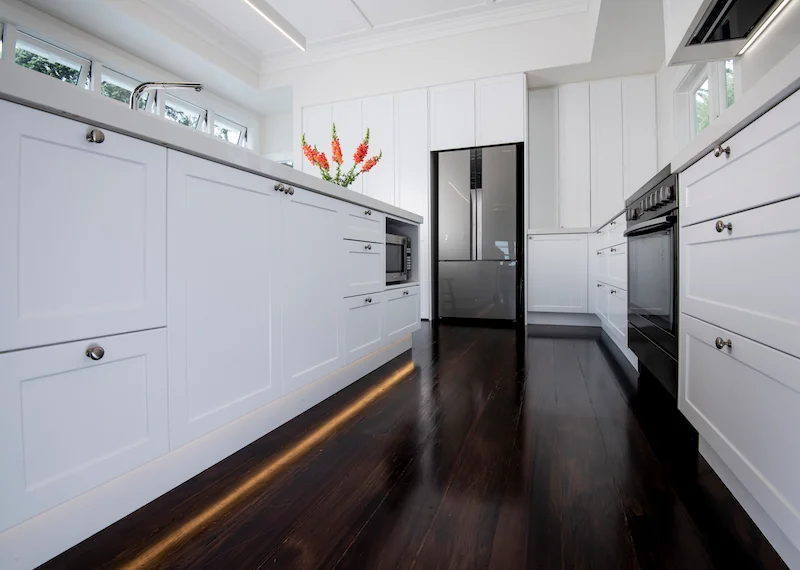
Kitchen flooring needs to balance durability with comfort. Materials such as stone, concrete and tiles are popular for their modern appearance and durability, but they can be tough on your feet and joints over time.
If comfort is a priority, consider flooring materials that offer a little more flexibility, such as:
timber flooring
cork
rubber
linoleum
vinyl plank flooring
These materials provide more cushioning and are generally easier on your feet and joints. If you prefer harder surfaces such as tiles or polished concrete, placing anti-fatigue mats or rugs in high-use areas like the sink or cooktop can make a noticeable difference.
Designing a kitchen that works beautifully every day
A well designed kitchen should make everyday life easier. By carefully considering layout, storage, lighting and comfort, you can create a kitchen that feels intuitive to use and enjoyable to spend time in.
For homeowners planning a kitchen renovation in Auckland, working with an experienced builder and designer early in the process helps ensure every element of the space is thoughtfully planned. The result is a kitchen that not only looks stunning but also performs beautifully for years to come.
Frequently asked questions
What is ergonomic kitchen design?
Ergonomic kitchen design focuses on creating a kitchen layout that is comfortable, efficient and easy to use. It considers factors such as workflow, bench height, lighting and storage to reduce strain and make everyday cooking and meal preparation easier.
What kitchen bench height is best?
Standard kitchen bench heights are typically around 900mm, but many homeowners choose customised heights between 920mm and 950mm for improved comfort. The ideal height depends on the user's height and the tasks performed at the bench.
How can kitchen storage be made easier to access?
Kitchen storage can be improved by using deep drawers, pull out shelves and corner cabinet systems that bring items forward for easier access. Storing heavier items between hip and shoulder height also helps reduce bending and lifting.

Qualitas Builders ©. All rights reserved.
Website designed & built by
Buzz Marketing




Contact us
Trusted by homeowners across Auckland City - Read our reviews