
How to choose a project manager
What does a project manager do?
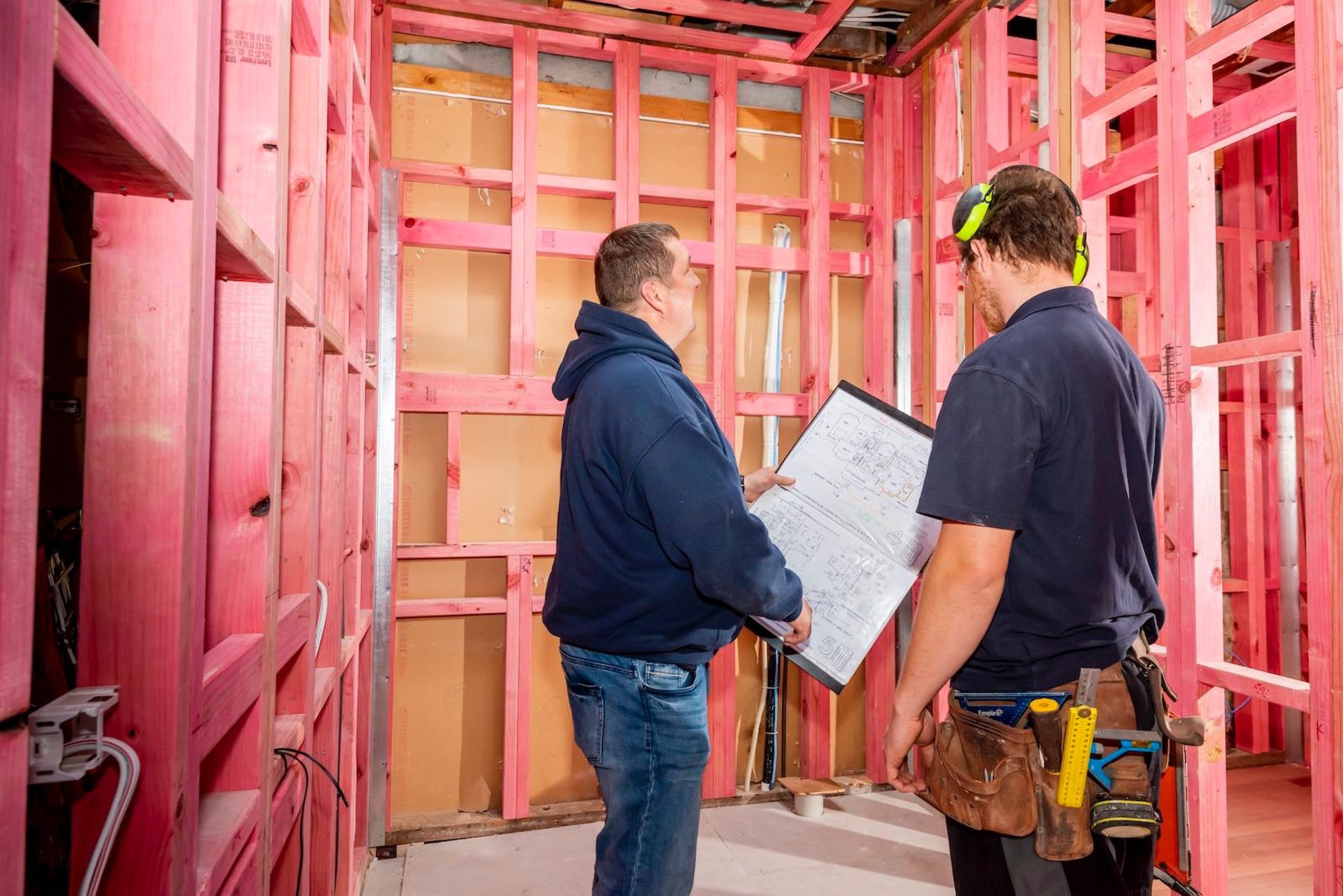
A construction project manager is the person who keeps your build running smoothly from start to finish. They coordinate people, schedules, materials and compliance so your project stays on track, on budget and stress-free.
What is a project manager responsible for?
A project manager is the lead contractor or PCBU (Person Conducting a Business or Undertaking), which means they’re legally responsible for everything that happens on site. Rather than juggling multiple trades yourself, you deal with one point of contact who takes care of the rest. A construction project manager is typically responsible for:
Managing the project timeline and budget
Coordinating architects, engineers and designers
Complying with the Building Code and safety regulations
Hiring and managing subcontractors and trades
Making sure work is completed to the agreed scope and quality
Organising materials, tools and equipment
Managing delays, variations and unexpected issues
Keeping you updated on progress and costs
How does a project manager stay on time and on budget?
Timing and budget are two of the biggest concerns for homeowners and for good reason. A skilled project manager plans well ahead, schedules trades in the correct order and accounts for lead times on materials.
By tracking costs, managing variations early and solving issues before they escalate, your project manager helps avoid delays and unexpected expenses. At Qualitas Builders, we take a proactive approach so small challenges don’t turn into big problems.
How does a project manager manage health and safety on site?
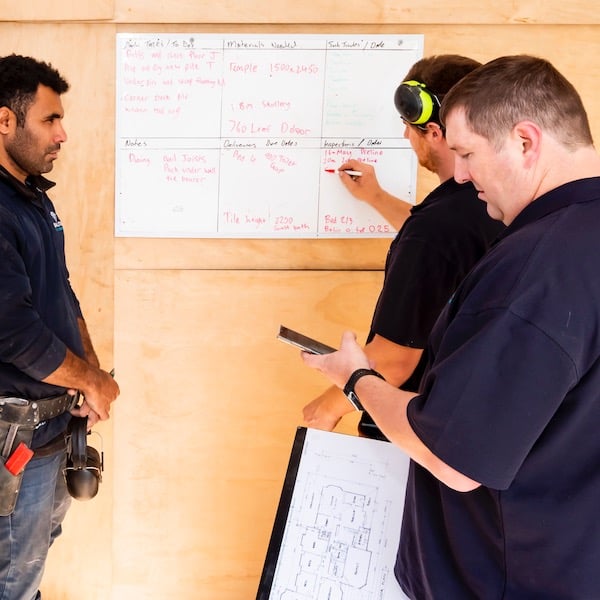
Health and safety is a major responsibility on any building site. Your project manager puts safety plans in place, carries out site inductions and ensures high-risk work is properly managed.
As the PCBU, they’re responsible for keeping workers, homeowners and visitors safe while ensuring all legal obligations are met. This not only protects everyone involved but also prevents costly delays caused by safety breaches.
How does a project manager coordinate subcontractors?
Most builds involve a long list of trades including plumbers, electricians, scaffolders, roofers and glaziers. Some projects also require specialists such as stair manufacturers, asbestos removal experts or traffic management teams.
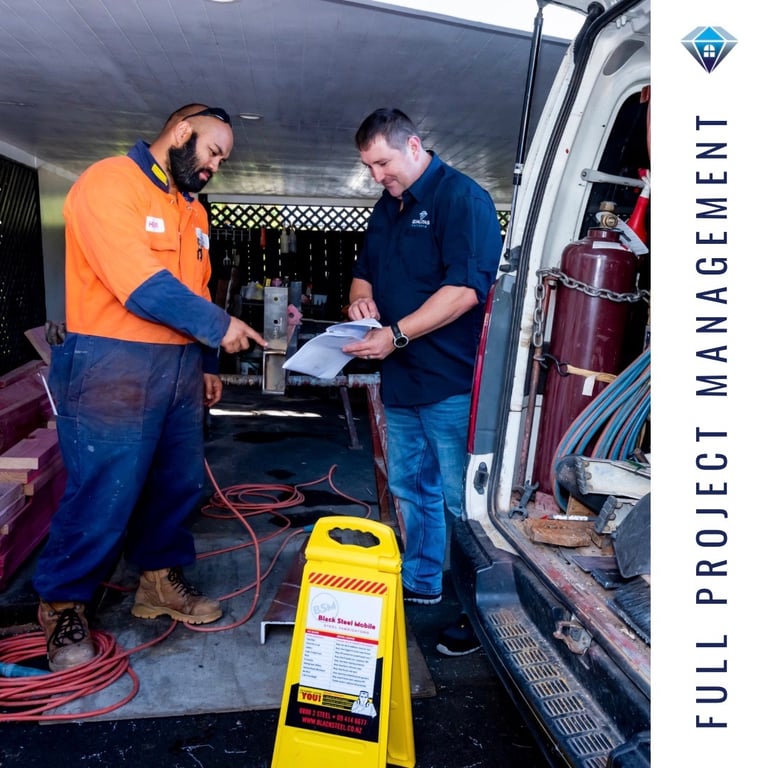
Your project manager ensures every trade is on site at the right time, with the right information and materials. This sequencing is critical. If one trade runs late, it can affect everything that follows. Strong relationships with trusted subcontractors mean better communication, reliable workmanship and smoother progress on site.
Do I need a project manager for my renovation or new build?
If your project involves multiple trades, structural work or council approvals, professional project management is essential. Even smaller renovations can quickly become complex once timelines, compliance and subcontractors are involved.
Hiring an experienced project manager means you benefit from their expertise, industry knowledge and problem-solving skills, without having to manage the process yourself.
What are the benefits of a professional project manager?
Working with a professional project manager offers some major advantages:
Less stress and fewer decisions for you
Clear communication and accountability
Better quality control and workmanship
Faster resolution of issues on site
Confidence that your project meets all regulations
Ultimately, it allows you to enjoy the process and focus on the exciting part, watching your home come together.
How early should a project manager be involved?
The earlier, the better. A project manager can add real value during the planning stage by offering buildability advice, identifying potential issues early and helping refine budgets and timelines.
Early involvement often prevents costly design changes later and ensures your project starts on solid ground.
Why work with Qualitas Builders as your project manager?
At Qualitas Builders, we take full responsibility for your build from the ground up. Bryce brings over twenty years of experience in the construction industry and is a Licensed Building Practitioner and NZ Certified Builder.
We manage every aspect of the construction process, from coordinating trades and materials to ensuring quality and compliance at every stage. All our work is backed by the Halo 10-Year Residential Guarantee, giving peace of mind for both homeowners and future buyers.
With clear communication, strong project management and a hands-on approach, we make the building process straightforward and enjoyable.
Ready to start your build?
Whether you’re renovating or building new, having the right project manager makes all the difference. Get in touch with Qualitas Builders to discuss your project and find out how we can guide you through every step with confidence.
Frequently asked questions
What does a construction project manager do?
A construction project manager oversees the entire build, coordinating schedules, trades, materials and compliance to ensure the project is completed safely, on time and within budget.
Is a project manager required for a renovation or new build in Auckland?
While not legally required for every project, a professional project manager is highly recommended for Auckland renovations and new builds involving multiple trades, structural work or council approvals.
What is the difference between a builder and a project manager?
In many Auckland residential projects, the builder also acts as the project manager. This means they manage construction, subcontractors, safety and compliance while delivering the build work itself.
How does a project manager help control costs?
A project manager controls build costs by planning timelines, managing subcontractors, tracking budgets, handling variations early and resolving issues before they cause delays or extra expenses.
When should a project manager be involved in a building project?
A project manager should be involved as early as the planning stage to provide buildability advice, assist with budgeting and help prevent costly design changes later in the process.

Qualitas Builders ©. All rights reserved.
Website designed & built by
Buzz Marketing




Contact us
Trusted by homeowners across Auckland City - Read our reviews